
Why Your Circuit Breakers Keep Tripping (and What to Do About It)
If you are a homeowner in SoFlo, you already know the routine. You are inside enjoying the air conditioning on a hot afternoon, maybe dreaming about that Pub Sub you plan to pick up for dinner, when suddenly—click. The lights go out in the living room, the ceiling fan stops spinning, and the television shuts off. You head out to the garage, flip the switch back, and hope it doesn't happen again. But what happens when it does?
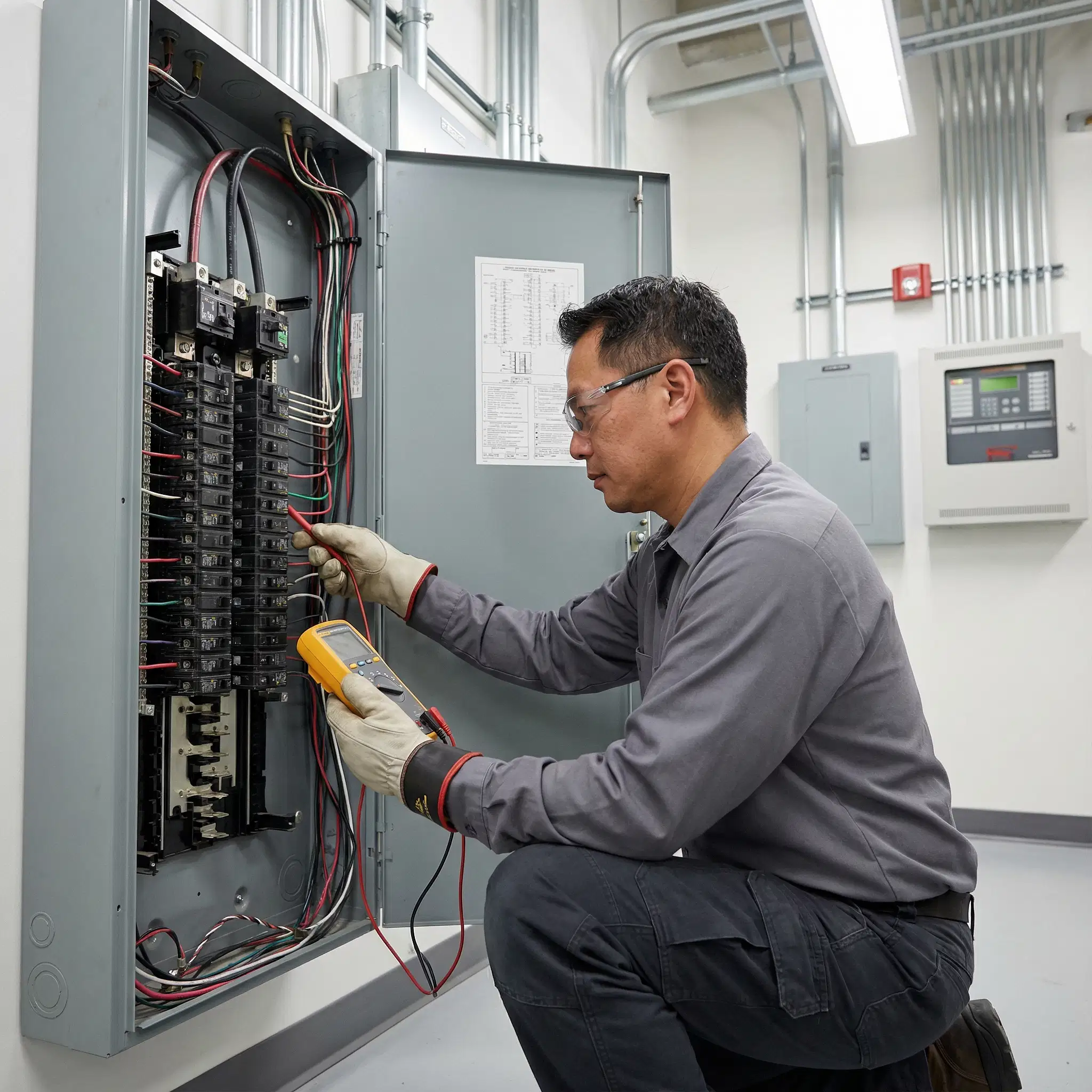
One of the most common questions we hear is, "why does my circuit breaker keep tripping repeatedly?" It is a frustrating problem, but it is actually your electrical system doing exactly what it was designed to do: protecting you and your property. A circuit breaker is a vital safety device that monitors the flow of electrical current. When it detects an issue that could lead to overheating or an electrical fire, it immediately cuts the power.
Understanding how to troubleshoot frequently tripping circuit breakers can save you from a major headache and keep your family safe. Let us walk through the most common culprits behind this annoying issue, signs that you might be dealing with a serious hazard, and when it is time to call in the professionals at Sunshine Electric 24/7 to help restore your peace of mind.
The Usual Suspect: Overloaded Circuits
The number one reason a circuit breaker trips is an overloaded circuit. This happens when you try to draw more electricity through a circuit than it is built to handle. Think about your daily routine, especially during the rainy season when we tend to spend more time indoors. You might have the central air conditioning running full blast, a high-definition television on, the microwave running, and a dehumidifier plugged in all at once. If too many of these heavy-draw appliances share the same circuit, the breaker will trip to prevent the wires from overheating and melting their insulation.
To test if this is your issue, try unplugging all the devices on that specific circuit, resetting the breaker, and turning them on one by one. If the power stays on until you plug in that last appliance, you simply have too much running on one line. The solution is usually as simple as moving some devices to different outlets on an entirely different circuit.
Short Circuits and Ground Faults
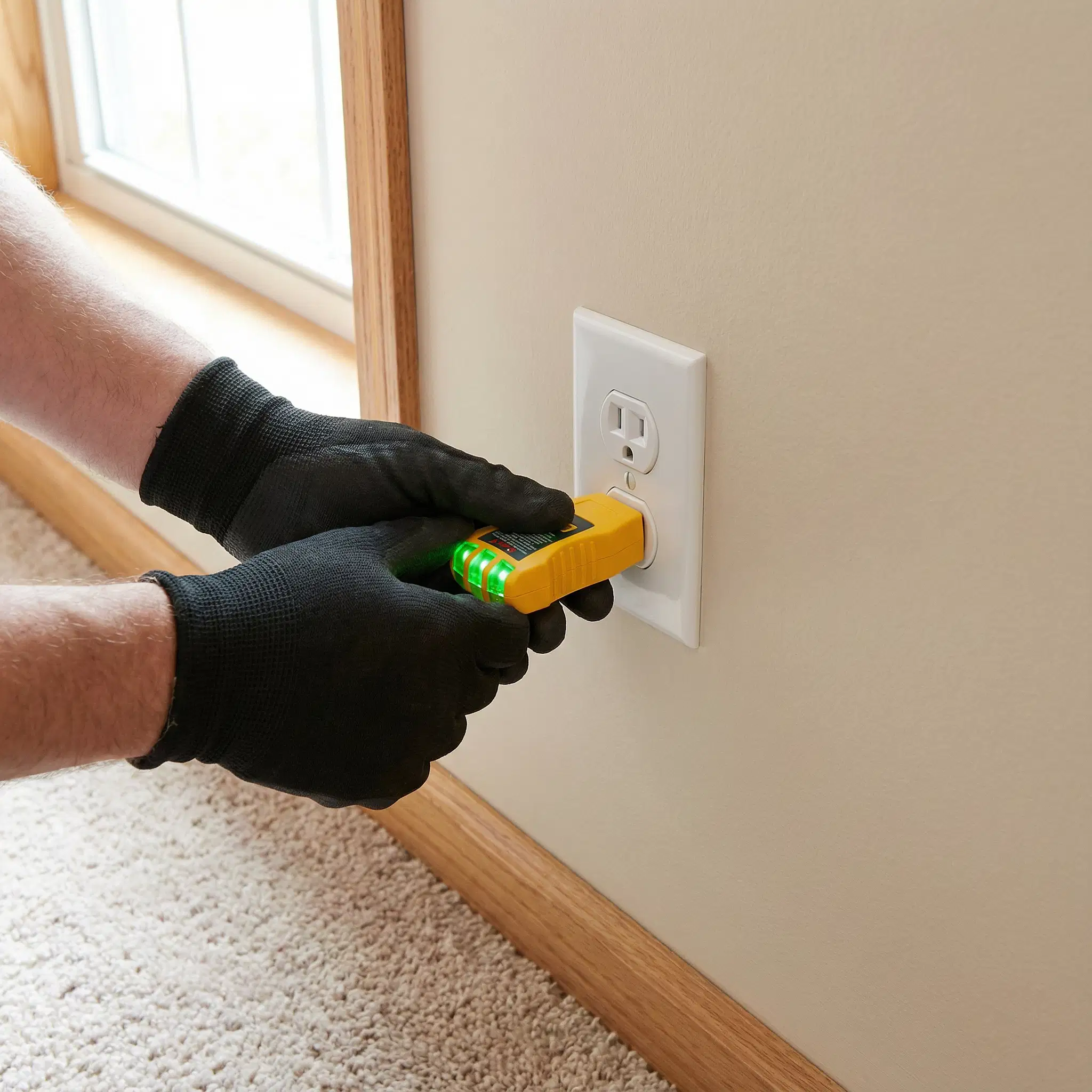
If you have unplugged everything and the breaker still trips the second you reset it, you are likely dealing with a short circuit. A short circuit occurs when a "hot" wire touches a "neutral" wire, causing a massive, sudden surge of electrical current. This is a severe fire hazard. You might notice warning signs of faulty or dangerous electrical wiring, such as a burning smell, subtle sparks, or dark scorch marks around the face of an outlet.
Similarly, a ground fault happens when a hot wire touches a grounding wire or the side of a metal outlet box. This is especially dangerous in areas with water, like kitchens, bathrooms, and outdoor patios. This leads to a very common question: what is a GFCI outlet and where should they be installed? Ground Fault Circuit Interrupter (GFCI) outlets are specifically designed to shut off power instantly if they detect a ground fault, protecting you from dangerous shock. They are strictly required by electrical codes in any areas prone to moisture.
If your home is older and lacks these protections, or if you find yourself wondering what is the difference between a fuse and a circuit breaker because you still have an outdated glass fuse box, it is definitely time to look into modernizing your system. We strongly recommend scheduling a fusebox installation and repair to bring your home up to current safety standards. Many homeowners ask us, "is it safe to do my own DIY electrical work for these issues?" The answer is absolutely not. Short circuits and ground faults require the strict safety protocols and expertise of a licensed professional.
Aging Equipment and the Needs of Modern Homes
Sometimes the issue is not what you are plugging in, but the physical breaker itself. Circuit breakers are mechanical devices, and they wear out over time. The key signs a home circuit breaker needs replacement include a breaker switch that feels loose or floppy, one that will not stay in the "on" position even after you have unplugged everything, or a switch that feels noticeably hot to the touch.
Beyond just the individual breakers, your entire panel might be struggling to keep up. We are often asked, how do I know if my home's electrical panel needs an upgrade? The reality is that modern homes use drastically more electricity than homes built even just twenty years ago. Today, we are plugging in powerful smart home automation systems, running high-efficiency appliances, and charging electric vehicles in our driveways. If your home still relies on an older 100-amp panel, it is likely straining under the heavy load of your daily life. An overworked panel not only trips breakers frequently but can also lead to system inefficiencies. If you want to know how you can lower your monthly home electricity bill, ensuring your panel and circuits operate efficiently without constantly shorting out is an excellent first step.
If you consistently find that your electrical system cannot handle your modern lifestyle, it is time to seriously consider an electrical panel replacement or upgrading. Upgrading your panel provides the robust capacity needed for modern technology like EV chargers and ensures your entire electrical framework complies with the latest National Electrical Code (NEC) updates.
Don't Wait for the Next Power Outage
A tripping breaker is your home's way of asking for help. Ignoring it, or simply flipping it back on week after week without investigating the root cause, puts your property and your family at risk. With hurricane season always a primary concern for homeowners in Miami, the last thing you want is an unreliable, delicate electrical system when the weather turns rough and you need to rely on your home's power the most. Preparing your home now ensures that when you need your lights and air conditioning, your system is up to the task safely and reliably.
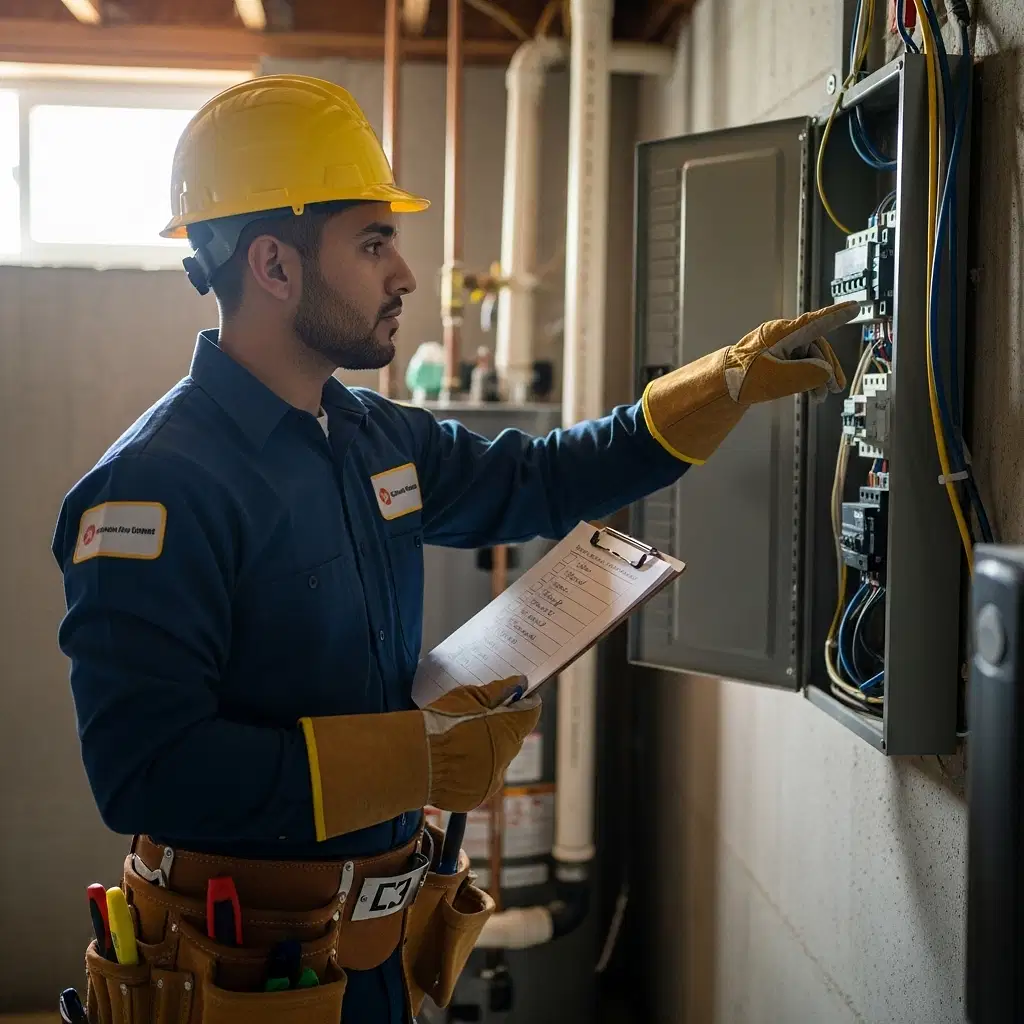
Whether you need a targeted circuit breaker installation and repair to fix a single faulty switch, or a comprehensive safety inspection of your entire property, our expert team is ready to assist. We pride ourselves on transparent, upfront pricing with no hidden fees, and we arrive on time because we know exactly how valuable your day is. If you are dealing with constant power interruptions, sparking outlets, or suspect a deeper wiring issue, don't hesitate to reach out to an emergency electrician at Sunshine Electric 24/7. We have the local expertise and the dedication to keep your home safely powered all year long.